Introduction
When digitizing negative film, many find that traditional scanners cut off the frame, remove borders, or mask the images. However, in today’s retro and vintage trend, visible film borders, perforations, and edge prints are becoming increasingly important. Laboratories now offer full-frame scans—scans that do not apply the usual masking and cropping.
Canadian Film Lab highlights this shift, stating, “Our full-frame scans allow for the entirety of your image to be scanned, border to border… up to 6% extra image compared to our regular high-resolution scans.” This sentiment reflects the growing appreciation among photographers for preserving those borders and imperfections.
Why Full-Frame & Visible Borders are Trendy
- A common discussion among photographers reveals their fondness for film borders, noting that these elements contribute to the overall aesthetic. In this regard, a blog summarizes the choices, stating, “Either getting just a thin blank border… or getting the full film border including the film information and sprockets (in the case of 35mm).” Can we not agree that these film characteristics are increasingly celebrated?
- Historically, many scanners were designed with masks that cut out the film borders to deliver clean images without perforations. However, this practice often results in losing a part of the picture and the film’s original feeling.
The Limitations of Standard Scanners
- Standard scanners or holders often fail to accommodate the entire negative frame, trimming edges or the perforations.
- With full-frame scanning, the challenge lies in ensuring that the film holder, light guidance, and masking are designed to present the borders and the film frame efficiently. This process naturally requires more time and adjustments, as noted by the Canadian Film Lab.
- For atypical formats like half-frame (135h), standard masks often lead to unwanted cropping, despite the photographer’s desire to retain the borders.
Our Solution at Analogist
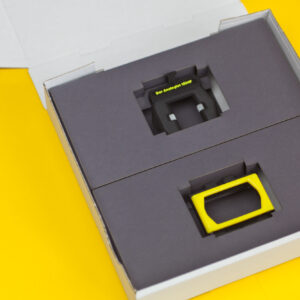
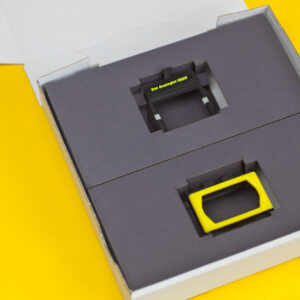
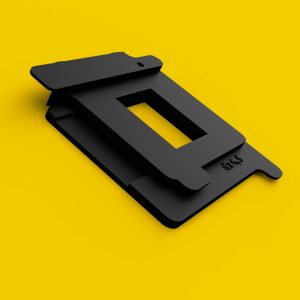
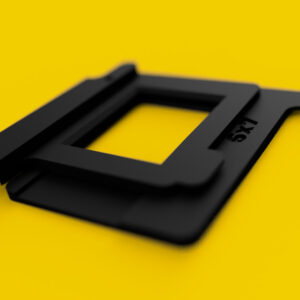
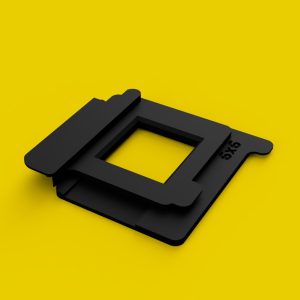
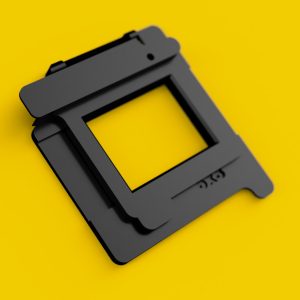
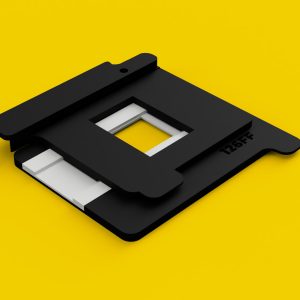
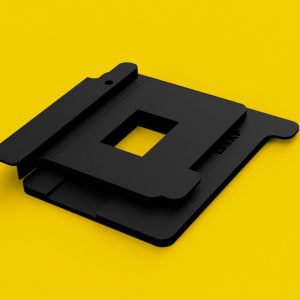
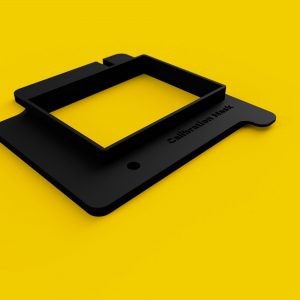
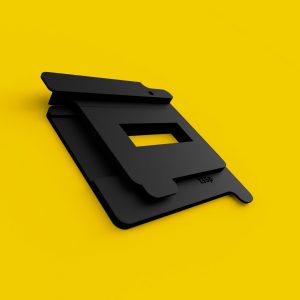
- We provide a full-frame mask for all formats so that negatives with visible borders, perforations, and film edges can be digitized as they were intended.
- Additionally, we offer masks for standard and half-frame 35mm formats, including inlays for the autocarrier, allowing both 24×36 mm and 18×24 mm to be scanned with their respective borders.
- This approach ensures:
- Aesthetic statement through visible film borders.
- Technical compatibility with existing scanner systems.
- The full image area—no cropped borders, no loss of original character.
- Why is this important? Many users want more than just the “picture” without context; they seek the film character that begins with the edge print, film type, and perforations.
Conclusion & Call to Action
If you don’t just want to digitize your film rolls but also preserve the character of your originals—with visible borders, film text, and perforations—then full-frame scanning is the right choice for you. At Analogist, you can find the suitable masks and inlays for all formats. Check out our range, find the mask that fits your scanner, and give your negatives the stage they deserve.
Keep the frame. Keep the border. Keep it analog.